
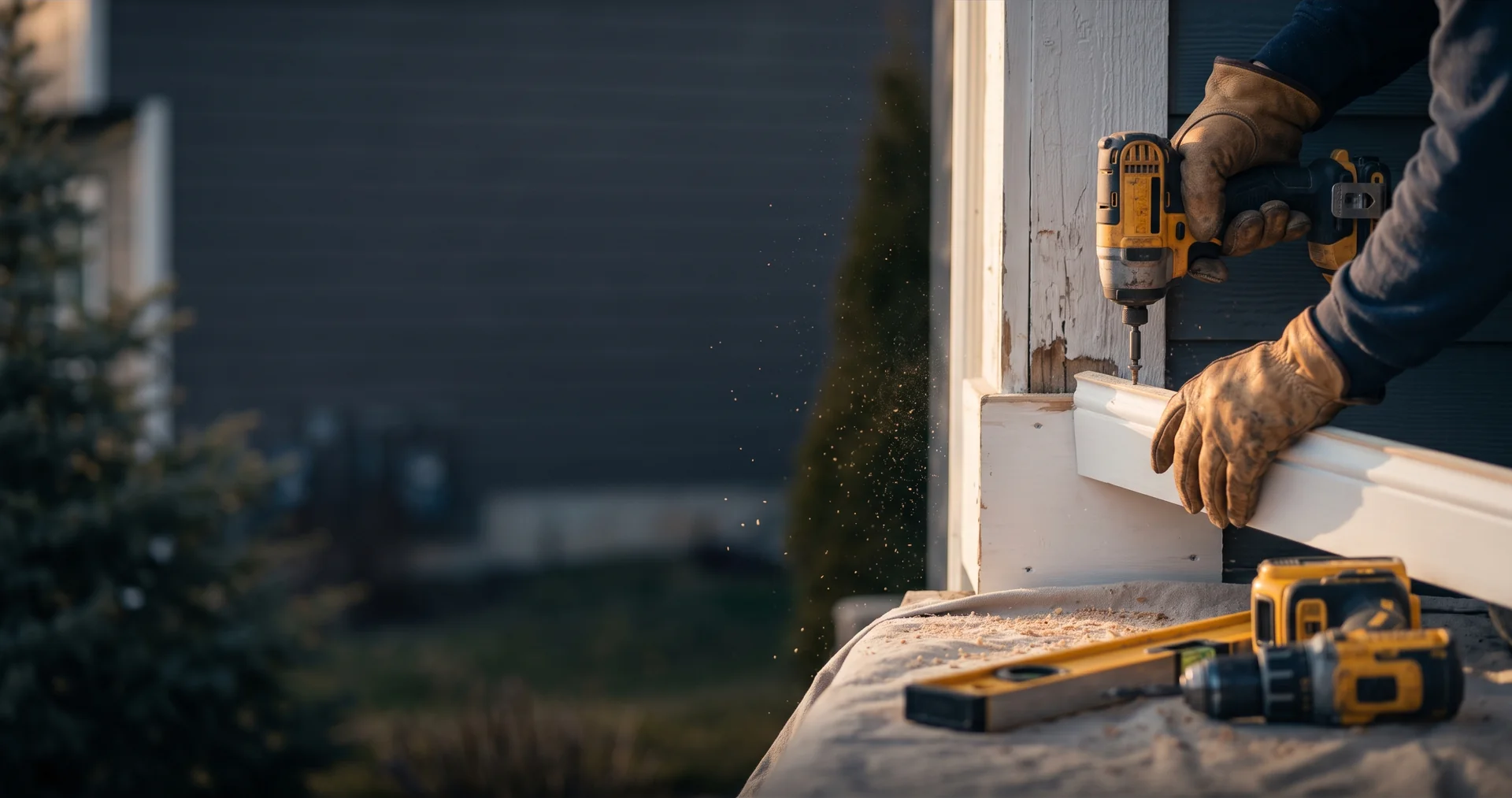
Every homeowner hits the same moment: a dripping faucet, a crack in the drywall, a door that won't latch. You wonder whether you can handle it yourself or whether it will turn into a bigger, costlier problem.
DIY home repair can save you real money and give you a lot of satisfaction. Done wrong, though, it can cost far more than hiring someone in the first place. This practical guide covers which home repair tips and fixes are worth doing yourself, how to do the most common ones properly, and where to stop and call a professional.
Is DIY Home Repair Worth It?
For the right jobs, yes. Small repairs are the best candidates because they:
- Need basic tools and little experience
- Carry low risk if something goes wrong
- Cost far less in materials than in labour
- Stop minor issues from becoming major ones
The trouble starts when a job involves structure, electricity, gas, or water hidden inside walls. A simple rule: if a mistake could cause injury, fire, flooding, or structural damage, it's not a beginner DIY job.
The Essential DIY Home Repair Toolkit
You don't need a massive workshop. This starter kit covers most easy home repairs:
- Cordless drill/driver with a comprehensive bit set
- Claw hammer and rubber mallet
- Tape measure and a 4-foot level
- Adjustable wrench and slip-joint pliers
- Utility knife with sharp spare blades
- Putty knives (2-inch and 6-inch)
- Caulk gun
- Stud finder
- Voltage tester (for confirming power is off before any work near outlets or switches)
- Safety glasses and durable work gloves
Pro Tip: Buy the best tools you can reasonably afford. Cheap tools strip screws, slip, and make simple jobs frustrating.
8 Easy Home Repairs You Can Do Yourself
1. Patch Small Holes and Cracks in Drywall
Nail holes and small dings are the easiest fix in the house.
- Scrape away loose drywall material and dust around the damage.
- Apply lightweight spackle with a putty knife, pressing it firmly into the void and smoothing it flat.
- Let it dry fully, then sand lightly with fine-grit (120 to 150-grit) sandpaper.
- Prime the patch before painting. Skipping primer is why patches flash through finishes.
For holes larger than a fist, use a self-adhesive mesh patch and two or three thin coats of joint compound, feathering each one wider than the last.
2. Fix a Leaky Faucet
A steady drip wastes water and raises your utility bill. Most drips come from a worn washer, O-ring, or cartridge.
- Shut off the water at the shut-off valves under the sink.
- Plug the drain so small screws and washers don't disappear.
- Remove the handle and disassemble the faucet, noting the exact order of parts.
- Replace the worn washer, O-ring, or cartridge with an exact match.
- Reassemble, turn the water back on slowly, and check for leaks.
Take the old parts directly to a local hardware store to match them precisely.
3. Repair a Running Toilet
A toilet that keeps running can waste a surprising amount of water. The cause is usually inside the tank:
- Flapper worn or warped: Replace it. It's an inexpensive part and a five-minute job.
- Fill valve stuck or faulty: Replace the fill valve assembly.
- Chain too long or too short: Adjust it so the flapper seals fully without tangling.
4. Re-caulk Tubs, Sinks, and Windows
Cracked or mouldy caulk lets water penetrate behind tiles and drywall where you can't see it. Re-caulking is one of the most valuable small repairs you can do.
- Cut out the old caulk completely with a utility knife or caulk scraper.
- Clean the surface thoroughly and let it dry completely.
- Apply a steady, continuous bead of 100% silicone or a bathroom-rated caulk.
- Smooth it with a wet fingertip or a silicone caulk tool.
- Leave it undisturbed for the cure time specified on the label.
5. Fix a Squeaky or Sticking Door
- Squeaks: Remove the hinge pin, wipe it clean, and apply a light lubricant or a bit of petroleum jelly.
- Door won't latch: Check for loose hinge screws first. If the screw holes are stripped, fill them with wooden toothpicks and wood glue, then re-drive the screws.
- Sticking in humid weather: Find the rubbing spot on the frame, sand or plane it lightly, and seal the bare wood.
6. Replace Weatherstripping and Seal Drafts
In Ontario, this repair pays for itself immediately. After a few freeze-thaw winters, door and window seals wear out, and heat leaks out all season.
- Check exterior doors by closing them on a slip of paper. If it slides out easily without friction, the seal is failing.
- Replace worn weatherstripping and install a new bottom door sweep.
- Seal gaps around window trim with exterior-grade caulk.
7. Unclog Drains the Right Way
Start with a standard plunger or a hand drain snake (auger). Avoid pouring harsh chemical drain cleaners down the sink—they can damage pipes and are hazardous if you later have to work on the drain. If a clog keeps returning, the problem is likely deeper in the line, and that's a job for a plumber.
8. Touch Up Paint and Trim
Fresh paint and tidy trim change how a whole room looks. Fill gaps with paintable caulk, sand rough edges, and use quality painter's tape. The preparation is what separates a professional finish from an amateur one.
Simple Safety Rules for Any DIY Home Repair
- Turn off utilities first: Turn off the power or water first, and confirm with a non-contact tester.
- Wear the right protection: Glasses, gloves, and a dust mask when sanding.
- Test for lead and asbestos in older homes: Homes built before the 1980s may contain asbestos in old flooring, insulation, or ceiling texture, and lead in older paint. Do not disturb suspect materials.
- Know your limits: Being unsure is a good reason to stop.
- Use ladders correctly: Keep the base on firm, level ground, and never over-reach.
When to Call a Professional Instead
Some repairs aren't worth the risk, regardless of how many tutorials you've watched. Call a licensed professional for:
- Gas lines and appliances: In Ontario, gas work must be done by a licensed gas technician.
- Electrical panel and wiring work: Ontario has rules on who can do electrical work and when a permit and inspection are required. Check with the Electrical Safety Authority before starting anything beyond changing a fixture.
- Structural changes: Removing or altering walls, beams, or joists usually requires permits and engineered plans.
- Roof repairs: Working at height on a roof is dangerous and easy to get wrong.
- Persistent moisture, mould, or foundation cracks: These point to underlying problems that patching won't fix.
- Anything requiring a permit: Check with your municipality before starting, since unpermitted work can cause problems with insurance and when you sell.
If you're unsure, a quick assessment from a professional handyman costs far less than fixing a botched repair.
DIY vs. Hiring a Handyman: A Quick Guide
| Question | If you answer "yes" |
|---|---|
| Could a mistake cause injury, fire, or flooding? | Hire a professional |
| Do you have the tools and time to do it right? | DIY is realistic |
| Does it need a permit or licensed trade? | Hire a professional |
| Is it cosmetic or minor? | DIY is a good fit |
| Will a bad result reduce your home's value? | Consider a professional |
Also factor in your time. A weekend spent on a repair that a pro finishes in two hours isn't always a saving.
Seasonal DIY Home Repair Priorities for Ontario
Staying ahead of home maintenance is the best repair strategy. A few seasonal priorities:
- Spring: Inspect the roof and eavestroughs, check for winter damage on decks and driveways, and look at your foundation for new cracks.
- Summer: Clean and reseal decks, touch up exterior paint, and power wash siding and walkways.
- Fall: Clean gutters, seal gaps, replace weatherstripping, and prepare outdoor taps for freezing.
- Winter: Watch for ice dams, check for drafts, and keep walkways safe and clear.
Our seasonal home maintenance checklist walks through these tasks month by month.
Frequently Asked Questions About DIY Home Repair
What home repairs can I do myself?
Most homeowners can safely handle drywall patching, caulking, faucet and toilet repairs, door adjustments, weatherstripping, and paint touch-ups. Avoid gas, major electrical, structural, and roofing work.
Is DIY home repair cheaper than hiring someone?
Often, for small jobs. Materials are usually inexpensive compared with labour. The savings disappear if the job goes wrong, so for complex repairs, hiring a professional can be the cheaper choice overall.
What is the most common DIY home repair mistake?
Skipping preparation. Painting over dirty surfaces, caulking over old caulk, and patching without priming are the mistakes that make repairs fail or look poor.
When should I hire a handyman instead?
Hire a handyman when you lack the tools, time, or confidence, when a job involves multiple trades, or when a small repair keeps coming back.
Do I need a permit for home repairs in Barrie?
Cosmetic repairs generally don't, but structural, electrical, plumbing, and some exterior work may. Contact the City of Barrie's building department to confirm before starting.
Need a Hand With Your Home Repair?
DIY works well for small jobs, but some repairs are better handled by an experienced team. Barrie Property Care provides professional home repair and handyman services across Barrie, Innisfil, and the surrounding area, with written quotes and a satisfaction guarantee.
Get a free quote or call (647) 829-8742.